
How Chronic Stress Silently Damages Your Body
Chronic stress doesn’t just make you feel anxious—it quietly harms your heart, brain, immune system, and more. Learn the hidden effects and simple ways to protect your health.
Best Tags (high-search-potential, relevant for ranking): chronic stress, stress and health, effects of chronic stress, how stress affects the body, stress damage body, mental health stress, cortisol effects, stress and inflammation, mindfulness for stress, reduce chronic stress, stress symptoms body, long-term stress effects
(Note: No tags “rank 100%” — ranking depends on content quality, backlinks, competition, and site authority. These are strong, searchable, low-to-medium competition phrases that match real user searches and support SEO when used naturally.)
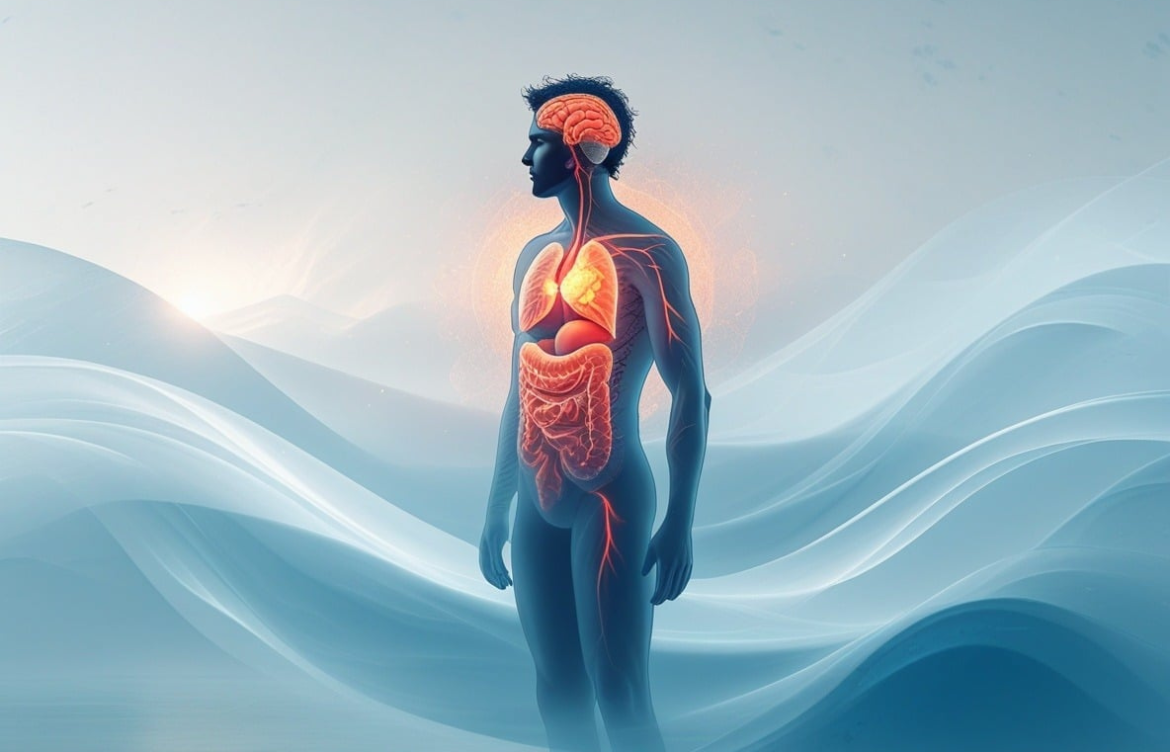
Featured Image Alt Text: Conceptual illustration of chronic stress silently affecting the human body, showing a person with subtle internal strain on heart, brain, and immune system against a calm blue background
Blog Post (Ready to Publish)
Category: Mental Health & Mindfulness
Title: How Chronic Stress Silently Damages Your Body
Most people know stress feels bad. What many don’t realize is that chronic stress works quietly in the background, steadily wearing down almost every system in your body.
Unlike short-term stress (which can actually sharpen focus), long-term stress keeps your body in a constant state of “alert.” Over time, this creates real physical damage — often without dramatic symptoms until the effects become harder to reverse.
Here’s how chronic stress silently harms your body and what you can do about it.
1. It Raises Inflammation Throughout the Body
When stress becomes ongoing, your body produces higher levels of cortisol and other stress hormones. These hormones trigger low-grade, persistent inflammation.
Chronic inflammation is linked to heart disease, type 2 diabetes, joint problems, and accelerated aging. You may not feel it day to day, but the damage accumulates.
2. It Strains Your Heart and Blood Vessels
Stress hormones increase heart rate and blood pressure. When this happens repeatedly over months or years, it places extra strain on your cardiovascular system.
Research shows long-term stress is associated with higher risk of high blood pressure, heart attacks, and stroke. The danger is that many people feel “fine” until a more serious event occurs.
3. It Disrupts Digestion and Gut Health
Your gut and brain are closely connected. Chronic stress can slow digestion, increase stomach acid, and alter the balance of gut bacteria.
This often shows up as bloating, IBS-like symptoms, food sensitivities, or weakened immunity — because a large part of your immune system lives in the gut.
4. It Weakens Your Immune System
Prolonged stress suppresses immune function. You may notice you catch colds more easily, take longer to recover from illness, or experience more frequent infections.
Over time, this reduced immune resilience can leave the body more vulnerable.
5. It Affects Your Brain and Mental Clarity
Chronic stress shrinks the hippocampus (important for memory) and strengthens the amygdala (the brain’s fear center). The result can be brain fog, poorer concentration, mood swings, anxiety, and higher risk of depression.
Many people describe feeling “mentally exhausted” without realizing stress is the underlying driver.
6. It Disrupts Sleep and Hormones
Stress and poor sleep form a vicious cycle. High cortisol at night makes it harder to fall or stay asleep. Poor sleep then increases stress the next day.
This also throws off other hormones that regulate appetite, energy, and reproductive health.
7. It Accelerates Aging at the Cellular Level
Studies show chronic stress is linked to shorter telomeres — the protective caps on your DNA. Shorter telomeres are associated with faster biological aging and higher risk of age-related diseases.
In simple terms: ongoing stress can make your body age faster than your actual years.
The Good News: You Can Interrupt the Damage
The body is remarkably resilient. When you reduce chronic stress, many of these effects can improve.
Simple, evidence-supported practices that help:
- Daily mindfulness or breathing exercises (even 5–10 minutes)
- Consistent sleep schedule
- Regular gentle movement (walking, yoga, or stretching)
- Strong social connections
- Setting clearer boundaries with work and technology
- Spending time in nature
You don’t need a perfect routine. Starting with one or two small habits is enough to begin lowering the constant stress load on your body.
Chronic stress is silent — but it is not invisible once you know what to look for. Paying attention now can protect your long-term health in meaningful ways.
What’s one small step you can take this week to lower your stress load? Share in the comments — we’d love to hear.