
Best Home Workouts You Can Do in 20 Minutes (2026 Edition)
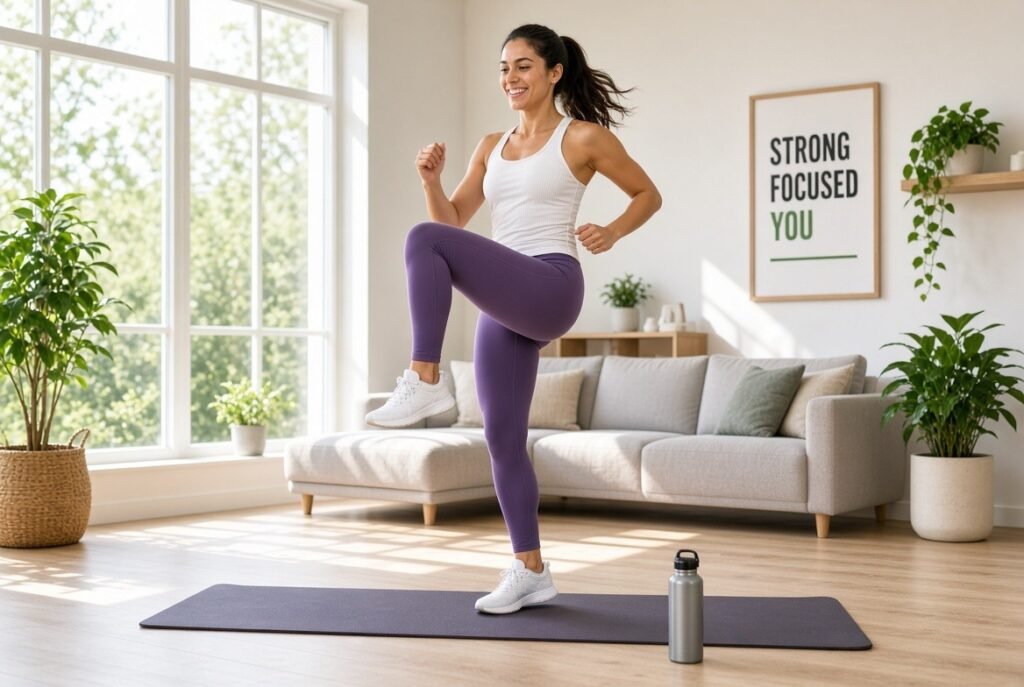
In 2026, time is still the biggest barrier between most people and consistent fitness. Between remote work, family, and the constant ping of notifications, finding an hour for the gym often feels impossible. The good news? You don’t need an hour. You don’t even need a gym.
A well-designed 20-minute home workout can deliver impressive results—stronger muscles, better cardio fitness, improved mood, and fat loss—when done consistently. Science and real-world results continue to show that short, focused sessions often outperform longer, less intense ones for busy people.
This guide gives you the best 20-minute home workouts you can do right now. No equipment. No complicated moves. Just effective, joint-friendly exercises you can perform in your living room, bedroom, or even a hotel room.
Why 20-Minute Workouts Work So Well in 2026
Modern research and practical experience have confirmed what smart trainers have known for years: intensity and consistency beat duration for most people.
- Metabolic boost: High-intensity intervals keep your metabolism elevated for hours after the workout (the afterburn effect).
- Muscle preservation: Short strength circuits maintain and build lean muscle, which is critical as we age or when calories are controlled.
- Adherence: A 20-minute commitment is psychologically easy to start. Missed sessions drop dramatically when the barrier is this low.
- Recovery-friendly: You can train more frequently without overtraining, especially useful if you also walk, cycle, or play sports.
These routines are designed around bodyweight movements that train multiple muscle groups at once. They improve strength, mobility, and conditioning in one efficient package.
How to Structure Your 20-Minute Session
Every effective short workout follows a simple framework:
- 2–3 minutes warm-up – Raise heart rate and prepare joints.
- 15–16 minutes main work – Circuits or intervals.
- 1–2 minutes cool-down – Bring heart rate down and stretch key areas.
Work at a challenging but sustainable pace. You should be breathing hard and feeling the muscles work, but still able to maintain good form. If form breaks, slow down or reduce the range of motion.
Warm-Up (2–3 minutes)
Do each move for 30–40 seconds:
- March in place or high knees (low impact option: step-outs)
- Arm circles + shoulder rolls
- Bodyweight good mornings or hip hinges
- Torso twists
- Cat-cow or gentle spinal waves
This prepares the body without draining energy.
Workout 1: Full-Body Fat-Burning Circuit (Best for Overall Fitness)
This is the go-to routine for most people. It hits legs, core, push, and pull patterns in a continuous circuit.
Perform each exercise for 40 seconds, rest 20 seconds, then move to the next. Complete 3 full rounds. Rest 60–90 seconds between rounds if needed. Total time ≈ 16–18 minutes.
- Squat to Reach Stand with feet shoulder-width. Lower into a squat, then reach arms overhead as you stand. Focus on sitting back into the hips. Modification: Reduce depth or hold onto a chair for balance.
- Push-Up to Downward Dog From a high plank, lower into a push-up, then push hips up and back into downward dog. Return to plank. Modification: Drop to knees for the push-up portion or do incline push-ups against a sturdy surface.
- Reverse Lunge with Knee Drive Step one foot back into a lunge, then drive the same knee forward and up as you stand. Alternate sides every rep or every 20 seconds. Modification: Hold onto a wall or do stationary split squats.
- Plank Shoulder Taps In a strong plank position, tap one hand to the opposite shoulder while keeping hips as still as possible. Modification: Drop to knees or do from an elevated surface.
- Glute Bridge March Lie on your back, lift hips into a bridge, then alternate lifting one knee toward the chest while keeping hips high. Modification: Hold a static bridge if marching is too challenging.
This circuit elevates the heart rate while building functional strength. Most people feel the burn in the legs and core by the second round.
Workout 2: Strength-Focused 20-Minute Builder (Best for Muscle & Tone)
If your main goal is feeling stronger and more toned, this version emphasizes controlled strength moves with slightly longer work periods.
Perform 45 seconds of work, 15 seconds rest. Do 3 rounds of the following five exercises.
- Slow Tempo Squats (3 seconds down, 1 second up) Emphasize the eccentric (lowering) phase. This creates more muscle tension with less joint stress.
- Elevated or Regular Push-Ups Hands on a couch or floor. Keep body in a straight line. Slow and controlled.
- Single-Leg Glute Bridge (or double-leg if needed) Drive through the heel and squeeze the glute hard at the top. Switch legs halfway or alternate rounds.
- Dead Bug or Hollow Body Hold Lie on your back, press lower back into the floor, and slowly extend opposite arm and leg. Excellent for deep core strength.
- Superman or Bird-Dog Strengthen the posterior chain and improve posture—especially important if you sit a lot during the day.
This style builds noticeable strength within 4–6 weeks when done 3–4 times per week.
Workout 3: Low-Impact Option (Best for Joints or Beginners)
Not every day needs to be high intensity. This version keeps the heart rate up while being gentle on knees, hips, and shoulders.
40 seconds work / 20 seconds rest – 3 rounds
- Sit-to-Stand from a chair (or squat to a high surface)
- Wall Push-Ups or Incline Push-Ups
- Standing March with Arm Drive
- Standing Side Leg Lifts (or side-lying if preferred)
- Seated or Standing Torso Twists + Overhead Reach
You still get a solid training effect without the impact.
Progression Tips for Real Results in 2026
Doing the same workout forever eventually plateaus. Here’s how to keep progressing without adding equipment:
- Increase density: Reduce rest times slightly (e.g., 15 seconds instead of 20).
- Add pauses: Hold the bottom of a squat or the top of a bridge for 2–3 seconds.
- Improve range of motion: Go deeper into lunges or push-ups as mobility improves.
- Add a fourth round once three rounds feel manageable.
- Combine with daily walking: 7,000–10,000 steps plus these sessions creates an excellent fat-loss and health foundation.
Track how you feel and perform rather than just the scale. Better energy, clothes fitting differently, and improved sleep are often the first wins.
Common Mistakes That Kill Results
Even the best 20-minute workout fails if these errors creep in:
- Rushing the movements and losing form
- Holding your breath (breathe out on the effort)
- Skipping the warm-up
- Training only when you “feel like it” instead of scheduling it
- Expecting dramatic changes in two weeks
Consistency over intensity wins long-term. Three solid 20-minute sessions per week beat one perfect hour-long session that happens once a month.
Sample Weekly Schedule
- Monday: Full-Body Fat-Burning Circuit
- Wednesday: Strength-Focused Builder
- Friday: Full-Body or Low-Impact (depending on how you feel)
- Optional: Add a fourth short session or active recovery walk on the weekend
This leaves plenty of room for life while still delivering progress.
Nutrition & Recovery Notes (Because Workouts Alone Aren’t Enough)
A 20-minute workout creates the stimulus. Recovery and fueling determine the results.
- Prioritize protein at each meal (aim for a palm-sized portion).
- Stay hydrated—many people feel sluggish simply from mild dehydration.
- Sleep 7+ hours when possible. This is when muscle repair and hormone regulation happen.
- Manage stress. Chronic high stress raises cortisol and can blunt fat-loss efforts.
You don’t need a perfect diet. Focus on adding more whole foods and consistent protein rather than extreme restriction.
Final Thoughts: Start Today, Not Monday
The best home workout is the one you actually do. These 20-minute routines remove almost every common excuse—no travel time, no equipment cost, no long time commitment.
In 2026, fitness doesn’t have to be complicated or time-consuming. Twenty focused minutes, three or four times a week, compound into noticeable strength, better energy, and a body that feels capable.
Pick one of the workouts above. Set a timer. Move with intention. Repeat.
Your future self will thank you for starting today.